



Your cart
Order note
Order special instructions
Discount
Discount invalid. Please make sure the discount details are correct.
Free shipping code should be applied later on Checkout page.
Discount code is already applied.
Discount applied!
Whey Protein Isolate

Whey Protein Isolate
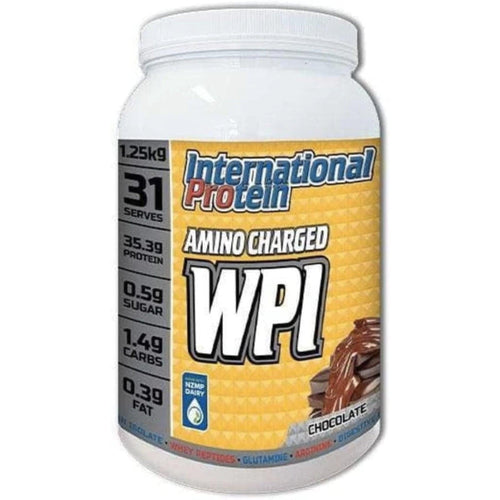
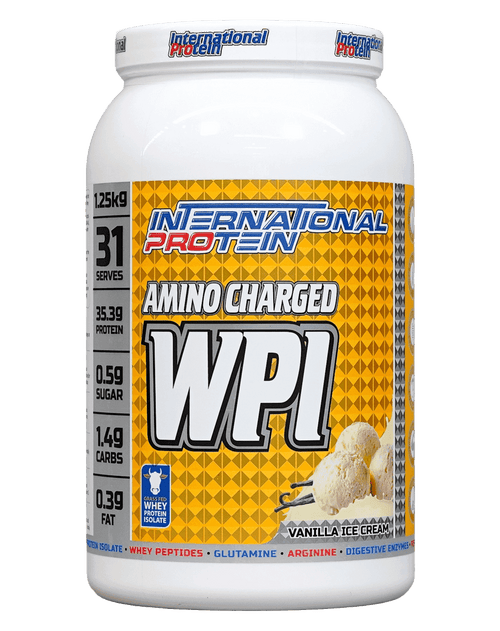
Whey protein isolate (WPI) is whey that has been filtered past the concentrate stage, leaving a powder that is about 90% protein with very little fat, carbohydrate or lactose. It suits anyone who wants a lean shake or finds regular whey heavy. This range includes isolates from Rule 1, Dymatize, Optimum Nutrition, Cyborg Sport and Next Generation, plus a few blends for comparison.
Read the Whey Protein Isolate buying guideLoading brands...
-

 Optimum Nutrition2 flavours$264.95
 -

 Dymatize2 sizes · 9 flavoursFrom$179.95Save $19
$198.95 -

 Cyborg Sports2 sizes · 7 flavoursFrom$119.95
 -
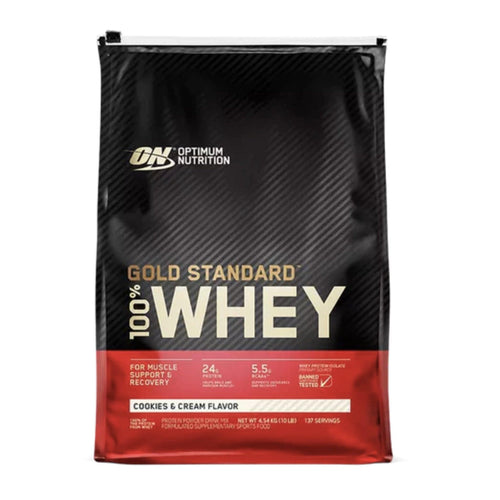
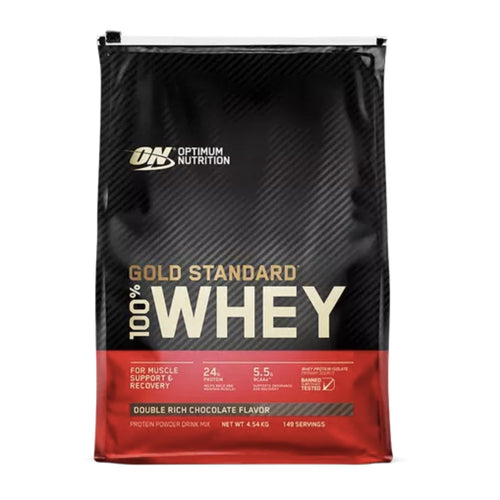 Optimum Nutrition6 flavours$329.95
 -
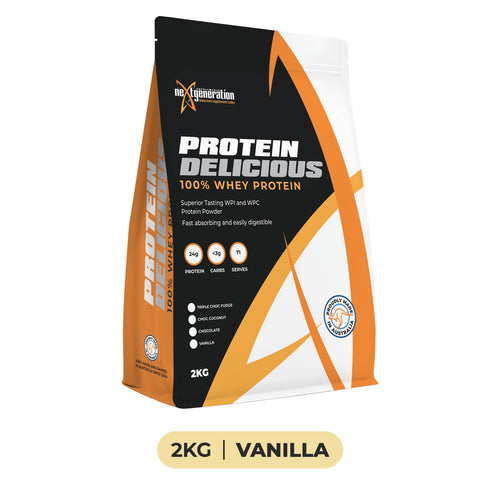
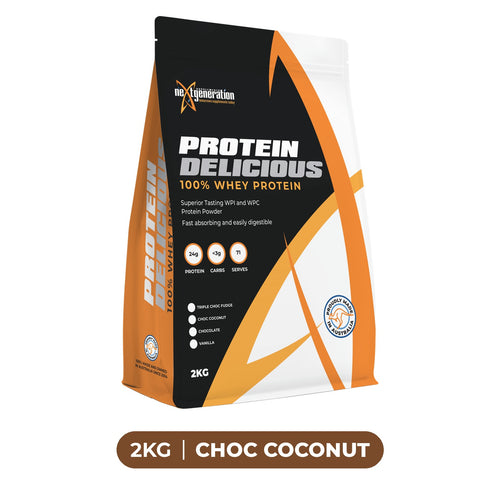 Next Generation2 sizes · 5 flavoursFrom$99.95Save $20
$119.95 -
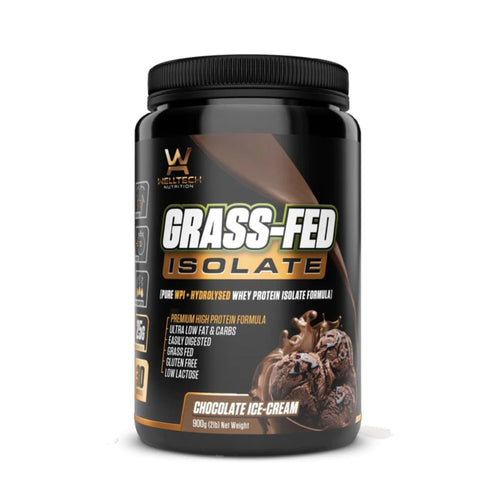
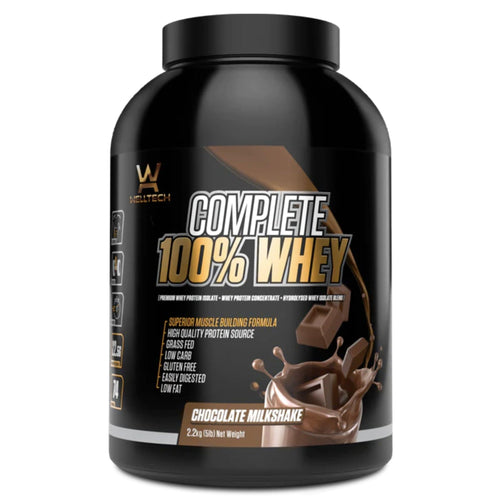
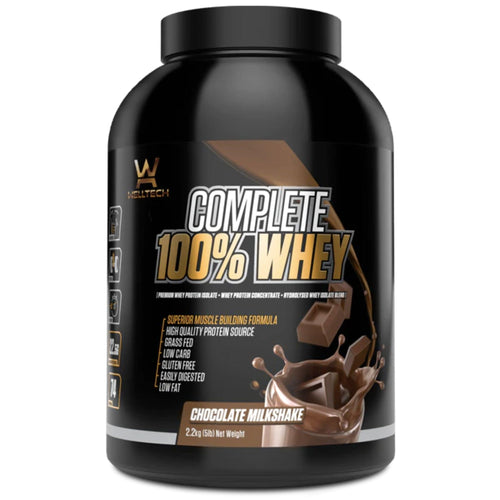
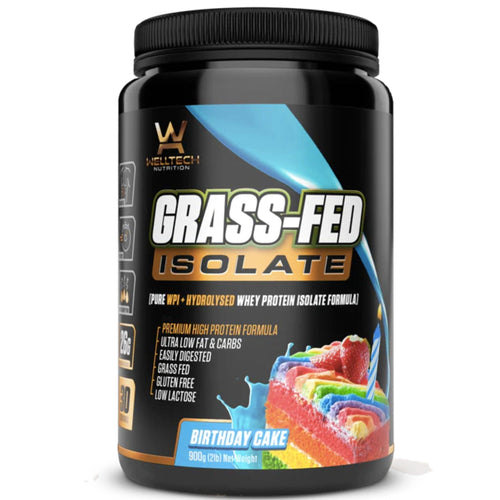 Welltech Nutrition2 sizes · 5 flavoursFrom$89.95
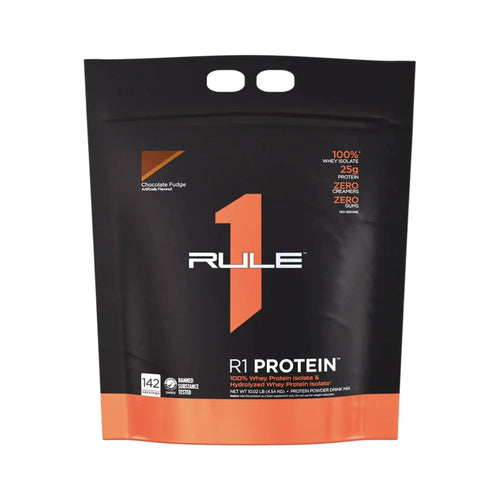
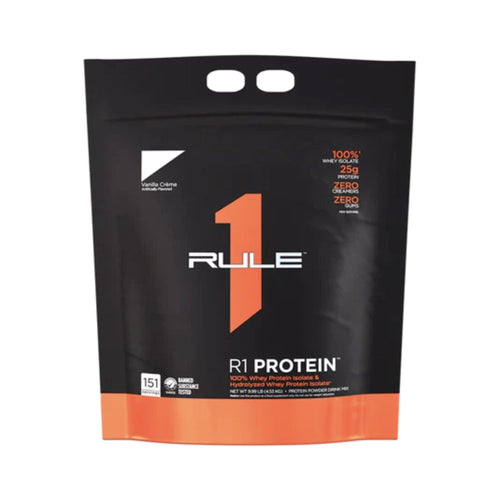


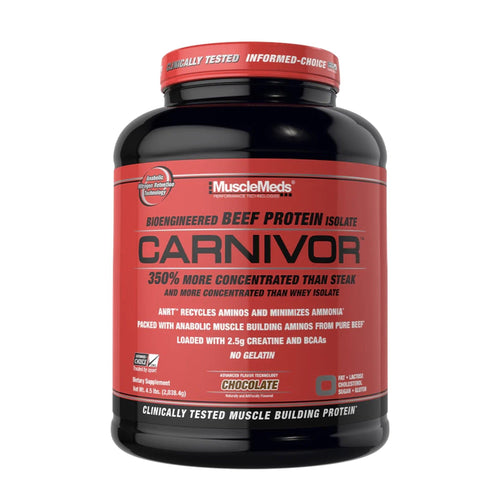
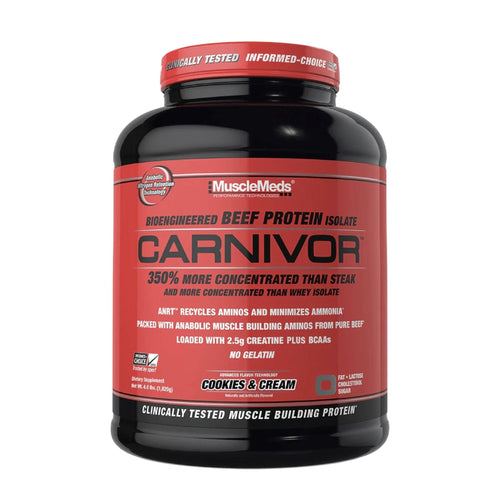
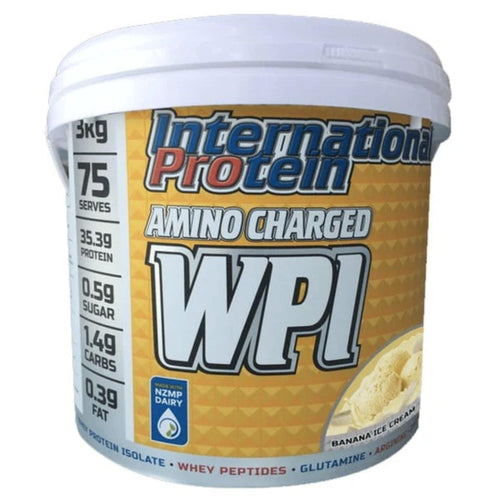


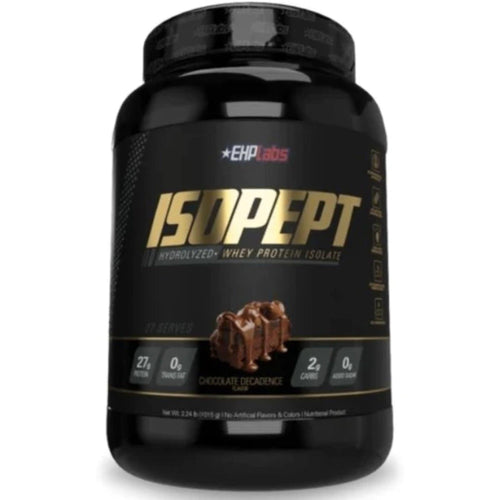


No products found for ""
Whey Protein Isolate: buying guide
What makes a protein powder an isolate
Under the dairy industry definitions published by the American Dairy Products Institute, a whey protein is called an isolate when it is at least 89.5% protein on a dry basis. Anything below that is a concentrate. The Australian Institute of Sport (AIS) describes whey concentrate as typically 70 to 80% protein and isolate as about 90% protein, with minimal carbohydrate and fat.
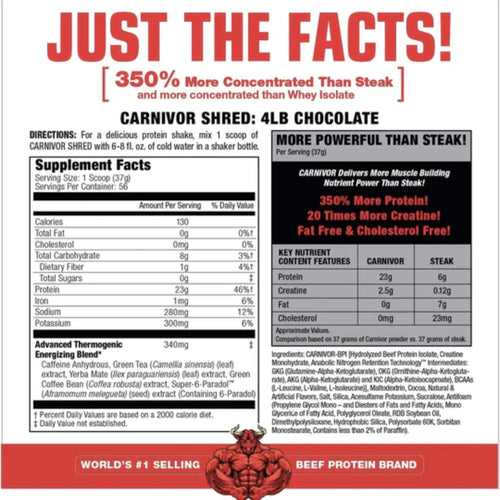
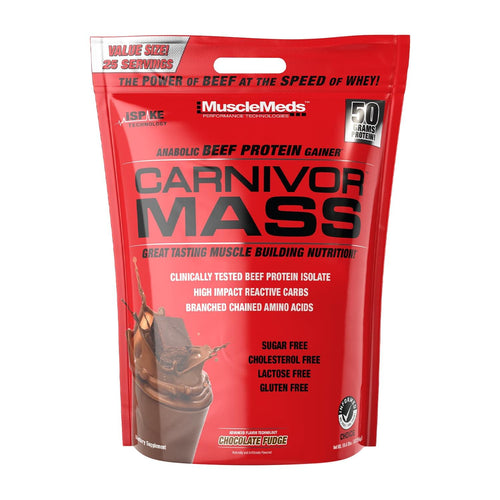
Those figures describe the raw ingredient. Once flavours and sweeteners go in, the finished powder is lower. To check a tub, divide the protein per serve by the serve weight: 25 g of protein in a 30 g scoop is about 83% protein. The quickest way to confirm what you are buying is the ingredient list. If whey protein isolate or hydrolysed whey protein isolate is the only protein listed, it is a true isolate. If whey protein concentrate also appears, it is a blend. This collection carries a few popular blends and a beef protein isolate next to the isolates, so the label is worth a look.
Isolate, hydrolysed, clear whey or blend?
| Type | Protein content | Worth knowing |
|---|---|---|
| Whey concentrate (used in blends) | Typically 70 to 80% | Usually cheapest per serve; contains a small amount of lactose |
| Whey isolate (WPI) | About 90% | Minimal fat and carbohydrate; lower in lactose; costs more |
| Hydrolysed whey | Check the label | Partly "pre-digested", with claims of faster uptake; usually the most expensive |
| Clear whey isolate | About 20 g per serve in Rule 1's version | Mixes with water into a light, juice-style drink rather than a milky shake |
The AIS says the practical differences between whey forms are minimal, so for most people the choice comes down to budget, digestion and taste. A hydrolysed isolate may suit you if regular shakes sit heavily, but it is not essential. If you are weighing up isolate against a cheaper blend, our guide to WPI vs whey blend goes through the trade-offs.
Who WPI suits
Most Australians get enough protein from food. The Better Health Channel says protein powders are unnecessary for most people's health needs, and the AIS recommends a food-first approach. A powder earns its place through convenience: a quick, measured serve of protein after training or between meals.
- People who want plenty of protein for few kilojoules, such as during a calorie-controlled phase.
- Lifters and athletes with higher targets. The International Society of Sports Nutrition (ISSN) suggests 1.4 to 2.0 g of protein per kg of body weight a day is enough for most people who exercise. Australia's Nutrient Reference Values set the general adult intake at 0.84 g/kg for men and 0.75 g/kg for women.
- People with mild lactose intolerance who find concentrate-based shakes uncomfortable.
How to compare WPI on the shelf
- Protein per serve and scoop size. Compare grams of protein per serve, then work out what percentage of the scoop that is.
- Price per serve. Divide the price by the number of serves, and check whether a larger tub works out cheaper per serve.
- Ingredient list. Isolate only, or a blend? Some products add digestive enzymes, vitamins or other extras. Decide whether you want them or prefer a short list.
- Allergens and sweeteners. All whey is a milk protein. The AIS notes protein products may also contain allergens such as soy or tree nuts, so read the allergen statement.
- Third-party testing. The AIS points out that batch-tested products carry the lowest risk for drug-tested athletes. If you compete in a tested sport, choose a batch-tested product (for example HASTA or Informed Sport certified) and check with your sport.
How to use whey isolate
Follow the serving size and mixing directions on the label. As a guide, the AIS says a supplement providing 20 to 40 g of protein per serve covers most sports nutrition situations, and suggests spreading protein across three to five eating occasions a day, including a snack after training. The ISSN suggests about 0.25 g of protein per kg of body weight per meal, every 3 to 4 hours, with 700 to 3,000 mg of leucine per serve. Whey is naturally high in leucine, which the AIS describes as the amino acid mainly responsible for switching on protein metabolism.
Water gives the lightest shake, while milk makes it thicker and adds protein, kilojoules and lactose. The AIS suggests keeping protein supplements to one or two serves a day and getting the rest of your protein from food.
Safety and who should check first
- Milk allergy is not lactose intolerance. ASCIA, Australia's allergy body, explains that cow's milk allergy is an immune reaction, while lactose intolerance is a digestive problem. WPI is a milk protein, so it is not suitable for anyone with a cow's milk allergy. If you need to avoid dairy completely, look at plant-based protein.
- Lactose tolerance varies. ASCIA notes that people with lactose intolerance do not always need to avoid all dairy. Isolate is lower in lactose than concentrate, but low is not always free, so check the label.
- Kidney or liver conditions. The Better Health Channel warns that very high-protein diets are not recommended and can strain the kidneys and liver. If you have a kidney or liver condition, talk to your doctor before adding protein powder.
Popular picks at Supps247
- R1 Protein WPI by Rule 1 (2 lb): 25 g of protein per scoop from whey isolate and hydrolysed whey isolate, with no concentrate. Also in 5 lb and 10 lb tubs.
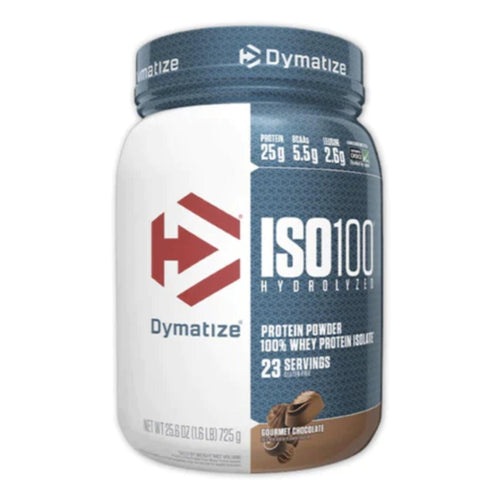
- Dymatize ISO100: a hydrolysed whey protein isolate, also sold in a smaller 20-serve tub.
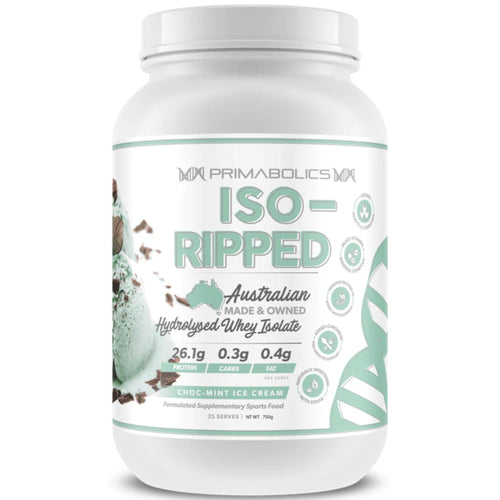
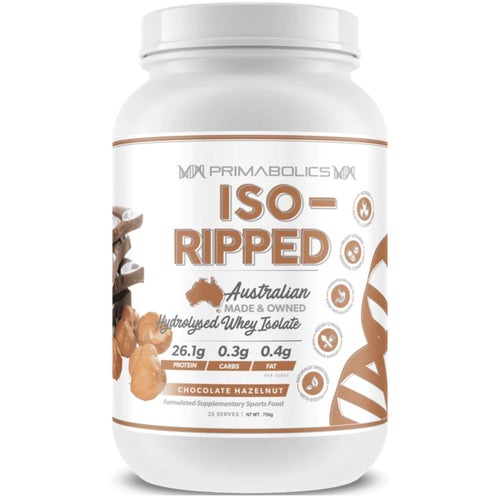
- Iso-Ripped by Primabolics: a hydrolysed whey isolate from Australian brand Primabolics.
- Cyborg Sport Grass Fed WPI: 100% whey protein isolate made from grass-fed whey.
- Optimum Nutrition Gold Standard 100% Isolate: the isolate version of ON's Gold Standard range, in a 5 lb tub.
- Rule 1 Clear Whey Isolate: 20 g of protein per serve in a light, juice-style drink with no fat.
Related categories
Compare the full protein powder range, lower-cost whey protein powders and blends, or hydrolysed whey. For our ranked shortlist and how we chose it, read the whey protein isolate buying guide.
Sources: AIS Sports Supplement Framework: Isolated protein supplements; ISSN Position Stand: protein and exercise; ADPI: Milk whey protein.
Order online with Australia-wide delivery, free on orders of $100 or more, or visit a Supps247 store in Melbourne, regional Victoria or Brisbane to compare products in person before you buy. Members can use our price match guarantee on full-priced items.
Always read the label and follow the directions for use. If you have a medical condition, are pregnant or take regular medication, check with your doctor first.
Whey Protein Isolate: questions and answers
Is whey protein isolate lactose free?
Can I have WPI if I'm allergic to milk?
How many scoops of WPI should I have a day?
What is the difference between WPI and hydrolysed WPI?
Is WPI better than a whey blend?
Is WPI good for weight loss?
When should I drink a protein shake?
What is clear whey protein?


