



Your cart
Order note
Order special instructions
Discount
Discount invalid. Please make sure the discount details are correct.
Free shipping code should be applied later on Checkout page.
Discount code is already applied.
Discount applied!
Protein Powder

Protein Powder
Protein powder is a concentrated protein you mix into a shake to help reach your daily target when meals fall short. Most tubs are made from milk proteins (whey or casein), while plant, beef and collagen options suit other diets. This range covers isolates, blends, plant proteins and gainers from Rule 1, Optimum Nutrition, Dymatize, MuscleTech and Next Generation.
Read the Protein Powder buying guideLoading brands...
-
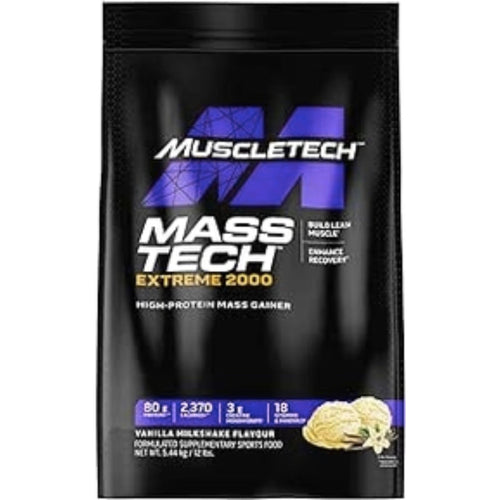
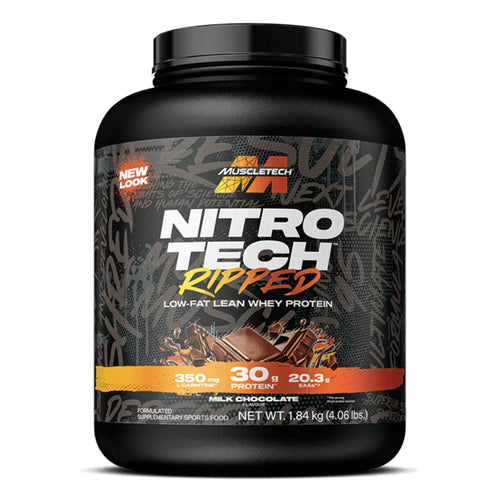
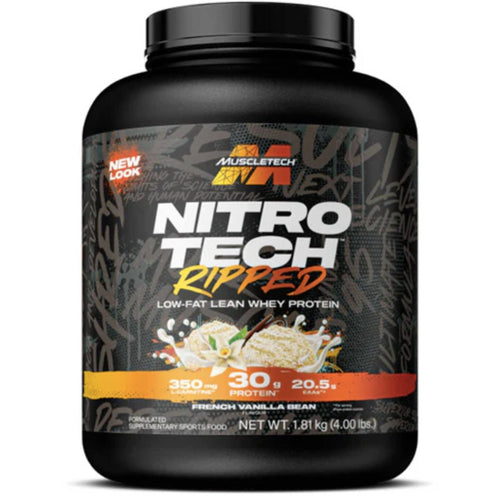
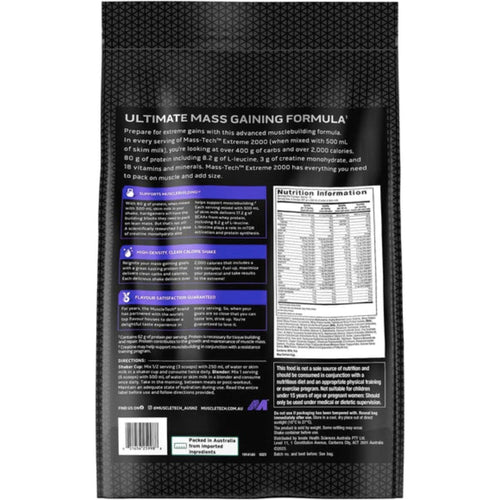 MuscleTech2 flavours$159.95Save $10
$169.95 -
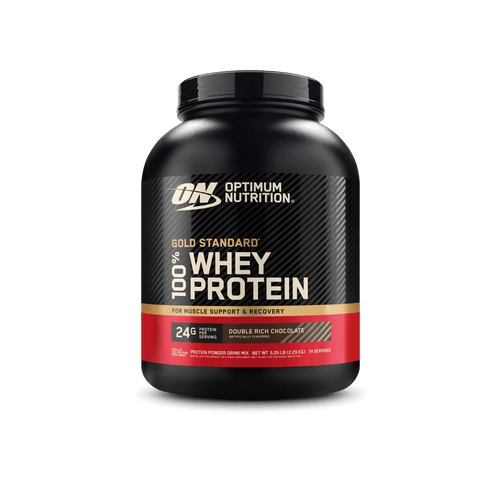
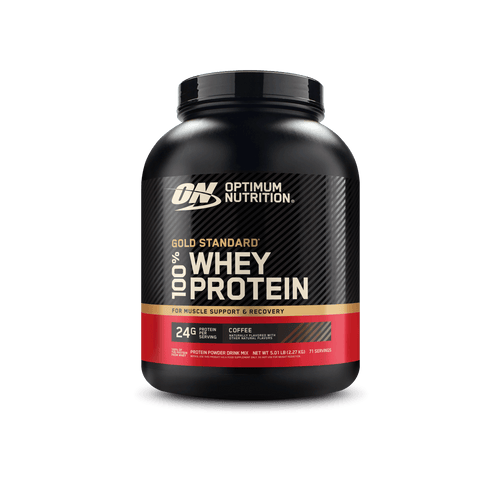 Optimum Nutrition14 flavours$159.95Save $20
$179.95 -
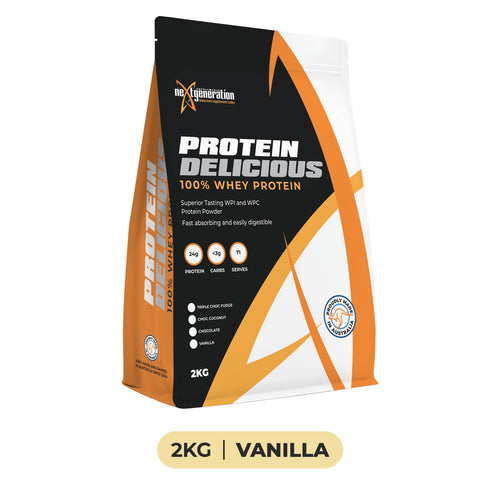
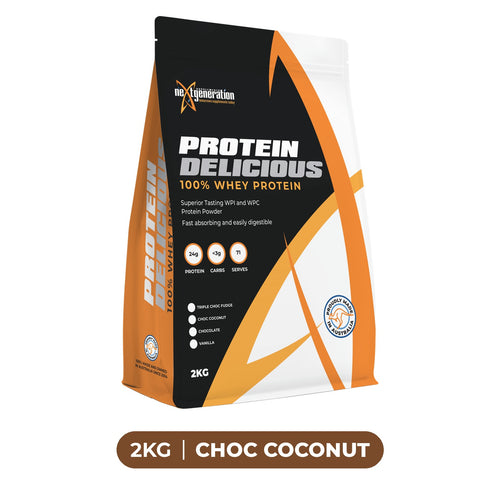 Next Generation2 sizes · 5 flavoursFrom$99.95Save $20
$119.95 -
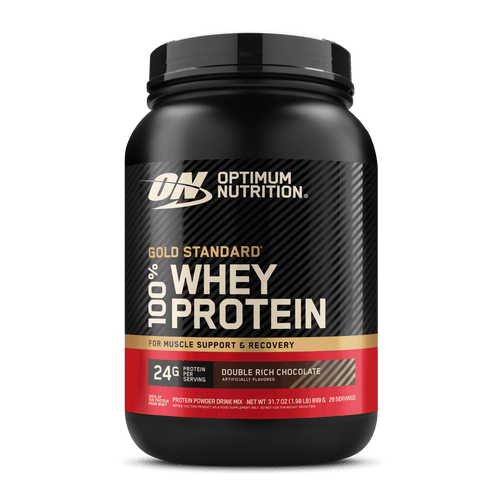
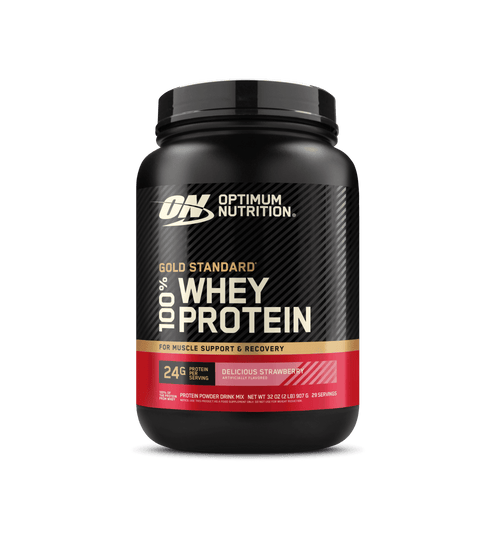 Optimum Nutrition2 sizes · 17 flavoursFrom$94.95
 -
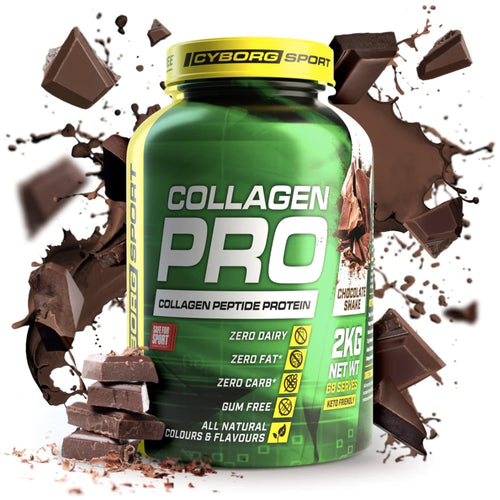 Cyborg Sports2 sizes · 7 flavoursFrom$89.95
 -

 Dymatize2 sizes · 9 flavoursFrom$179.95Save $19
$198.95 -
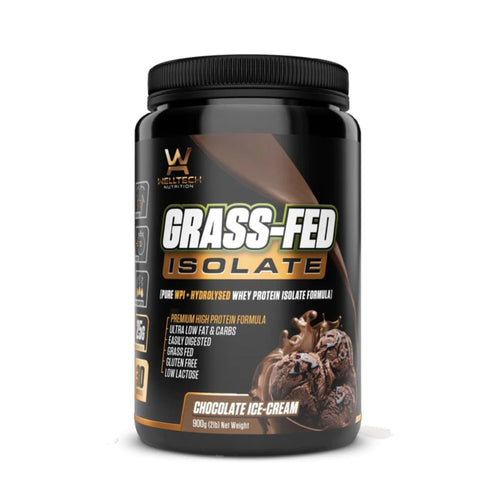
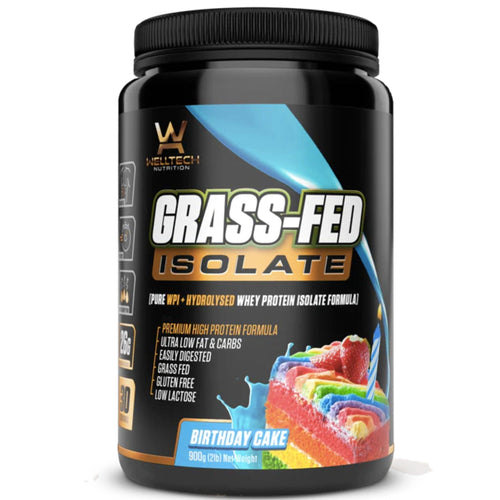 Welltech Nutrition2 sizes · 5 flavoursFrom$89.95


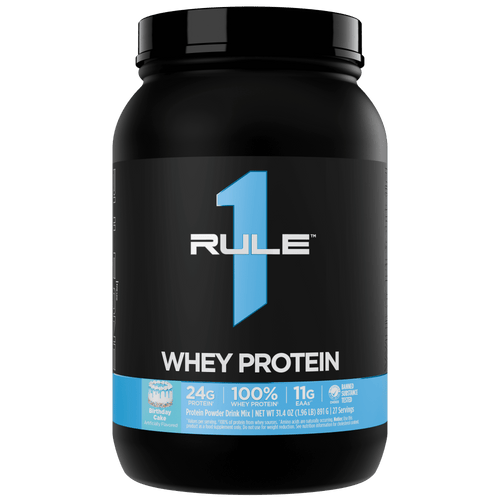
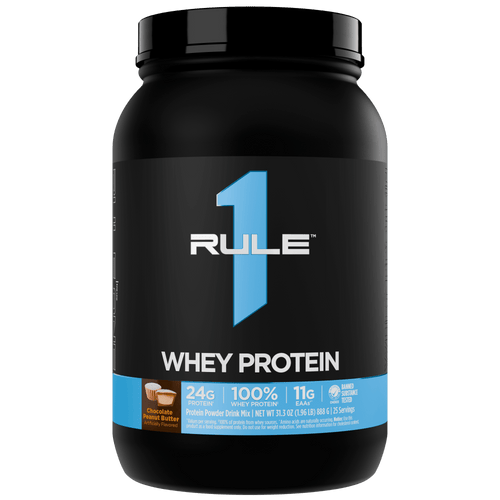
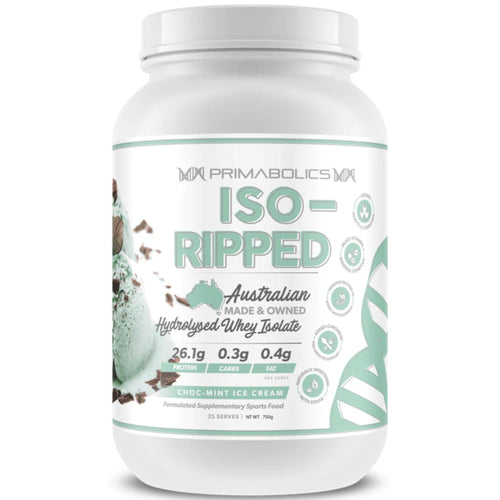
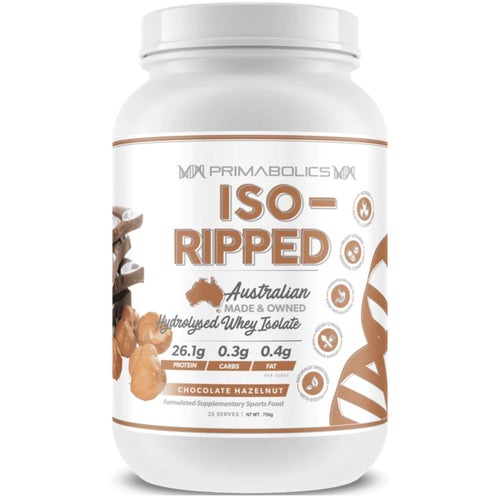
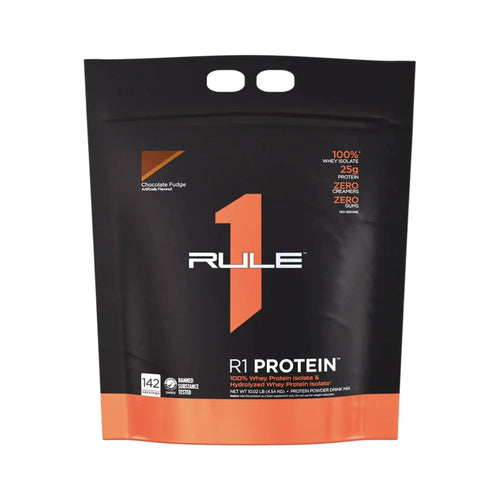


No products found for ""
Protein Powder: buying guide
Who protein powder is for
The Australian Institute of Sport (AIS) lists protein supplements as a Group A sports food, meaning there is strong evidence for using them in specific situations. Its fact sheet names a few: straight after key training sessions, to lift a low-protein meal such as breakfast, when your appetite is poor, when you cannot easily prepare food, and during an energy-restricted weight loss phase.
A shake is still food, not a requirement. Healthdirect lists general adult needs of about 52 to 64 g of protein a day for men and 37 to 46 g for women aged 19 to 70. People who train need more. The International Society of Sports Nutrition (ISSN) says 1.4 to 2.0 g per kilogram of body weight per day is enough for most people who exercise, and the AIS suggests 1.6 to 2.4 g/kg for athletes trying to hold on to muscle while losing weight. Protein powder simply makes those numbers easier to reach.
Types of protein powder compared
Most of the difference between tubs comes down to the protein source and how much it has been filtered. The figures below are typical values from the AIS, so check the label of the exact product you are looking at.
| Type | What it is | Worth knowing |
|---|---|---|
| Whey protein isolate (WPI) | Whey filtered further, typically about 90% protein | Minimal carbohydrate and fat, costs more than concentrate |
| Whey blend | Whey concentrate (70 to 80% protein) mixed with isolate | Contains a little lactose, usually cheaper per serve than a pure isolate |
| Hydrolysed whey | Whey partly broken down, often described as pre-digested | The most expensive form, marketed as faster absorbing |
| Casein | The main milk protein, about 80% of dairy protein | Clots in the stomach, so amino acids are released more slowly |
| Plant protein | Pea, rice, hemp or chickpea, alone or blended | Dairy free. Lower protein quality, improved by blending sources or adding leucine |
The collection also includes beef protein, collagen, meal replacements and mass gainers, which combine protein with carbohydrate for extra energy. The AIS rates mixed macronutrient powders as Group A, but places collagen in Group B, meaning the evidence is still emerging.
How to compare protein powders on the shelf
- Protein per scoop and scoop size. A 30 g serve of whey usually gives 21 to 27 g of protein, according to the AIS. Divide the protein by the scoop weight to see how much of each scoop is actually protein.
- Ingredient order. Australian food labels list ingredients in descending order of weight, so the first protein named is the main one. A tub sold as an isolate should list isolate first.
- Leucine. The AIS describes leucine as the amino acid mainly responsible for switching on protein metabolism. The ISSN suggests 700 to 3,000 mg per serve. Whey is naturally high in it, while plant proteins may need it added.
- Lactose and allergens. Whey concentrate carries a small amount of lactose, and every whey or casein product contains milk. Check the allergen statement for milk, soy and tree nuts.
- Extra ingredients. Added fat burners, caffeine or creatine change who a product suits. The AIS notes that multi-ingredient products add cost and can raise the risk of unwanted substances.
- Price per serve. Compare the number of serves, not just the tub size, especially between 2 lb, 5 lb and 10 lb options.
- Batch testing. If you compete in a drug-tested sport, choose a batch-tested product (for example HASTA or Informed Sport certified) and check with your sport. The AIS points out that batch testing screens for banned substances, not heavy metals.
How much to take and when
A serve of 20 to 40 g of protein covers most needs, according to both the AIS and the ISSN. The ISSN also gives a body-weight guide of about 0.25 g per kilogram per serve, so an 80 kg person would aim for around 20 g. Rather than one large dose, the ISSN suggests spreading protein evenly across the day, roughly every 3 to 4 hours, and the AIS suggests three to five eating occasions.
Timing is flexible. Common choices are after training, with breakfast, or as a snack before bed. The ISSN reports that 30 to 40 g of casein before sleep increases overnight muscle protein synthesis, although the AIS notes that evidence for a specific overnight benefit is still limited. Water keeps the shake lighter, milk makes it thicker and adds energy. Follow the serving directions on the label.
Safety and who should check first
Whey and casein come from milk, so they are not suitable if you have a milk allergy; a plant protein is the usual alternative. The AIS notes that the small amount of lactose in whey concentrate may matter for people who are particularly lactose intolerant, and healthdirect says many people with lactose intolerance can still handle small amounts. Healthdirect also recommends talking to your doctor or a dietitian before following a high-protein diet. The AIS suggests limiting protein supplements to one or two serves a day and getting the rest from food, which also supplies calcium, iron, zinc and other nutrients a shake may not.
Popular picks at Supps247
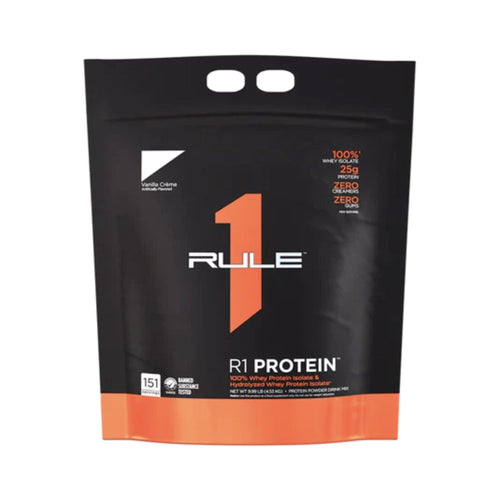
- R1 Protein WPI by Rule 1 (2 lb): Rule 1 lists 25 g of protein per scoop, all from whey isolate and hydrolysed whey isolate. Also in 5 lb and 10 lb tubs.
- Optimum Nutrition Gold Standard 100% Whey: a whey blend with 24 g of protein per serve and whey isolate as the first ingredient.
- Next Generation Protein Delicious 100% Whey Protein: a 100% whey protein and one of our biggest sellers.
- Dymatize ISO100 Hydrolyzed Whey Protein Isolate: a hydrolysed whey isolate, also sold in a 20-serve tub.
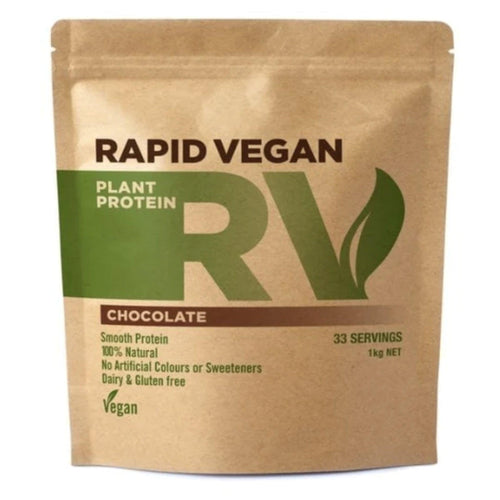
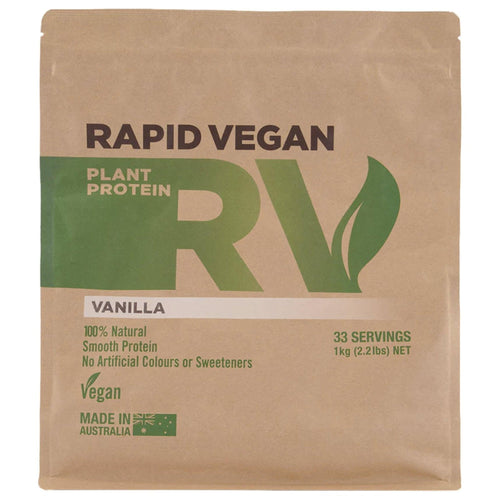
- Rapid Vegan Plant Protein: a dairy-free plant protein blend for vegan and plant-based diets.
- Rule 1 R1 Casein: micellar casein, the slower-digesting milk protein.
Related categories and guides
Compare our top picks in the best protein powder in Australia guide, start with protein powder for beginners, or read WPI vs whey blend. If you want a lean shake with extra ingredients, see lean protein, or grab a snack from protein bars.
Sources: AIS: Isolated protein supplements; ISSN position stand: protein and exercise; healthdirect: Protein.
Order online with Australia-wide delivery, free on orders of $100 or more, or visit a Supps247 store in Melbourne, regional Victoria or Brisbane to compare products in person before you buy. Members can use our price match guarantee on full-priced items.
Always read the label and follow the directions for use. If you have a medical condition, are pregnant or take regular medication, check with your doctor first.
Protein Powder: questions and answers
What is the best protein powder for beginners?
How much protein do I need a day to build muscle?
When is the best time to drink a protein shake?
Is whey isolate better than a whey blend?
Can I have protein powder if I'm lactose intolerant?
How many protein shakes a day is too many?
Do I need protein powder to build muscle?
Should I buy a small or a large tub of protein?


