



Your cart
Order note
Order special instructions
Discount
Discount invalid. Please make sure the discount details are correct.
Free shipping code should be applied later on Checkout page.
Discount code is already applied.
Discount applied!
Creatine

Creatine
Creatine is a compound your muscles use to make quick energy for short, hard efforts such as lifting, sprinting and jumping. This range covers creatine monohydrate powders (standard, micronised and Creapure), creatine HCl, capsules, tablets and creatine blends, from brands including Legit Supplements, Optimum Nutrition, ATP Science, Rule 1 and MuscleTech.
Read the Creatine buying guideLoading brands...
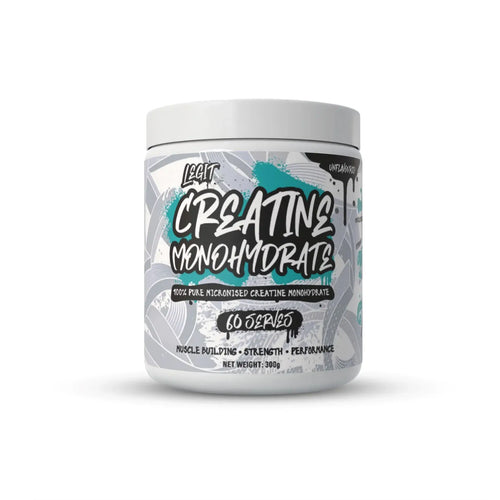
![[LMD SERIES] Creatine Monohydrate 500 gm by Legit Supps.](http://supps247.com.au/cdn/shop/files/Creatinemonohydrate500gmbyLegitSuppsavailableatSupps247_1.jpg?v=1780989417&width=500)

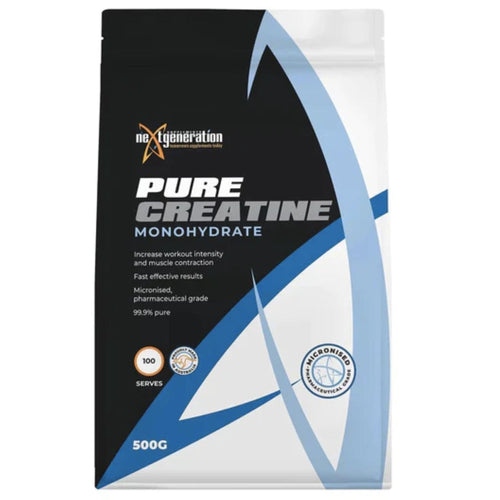
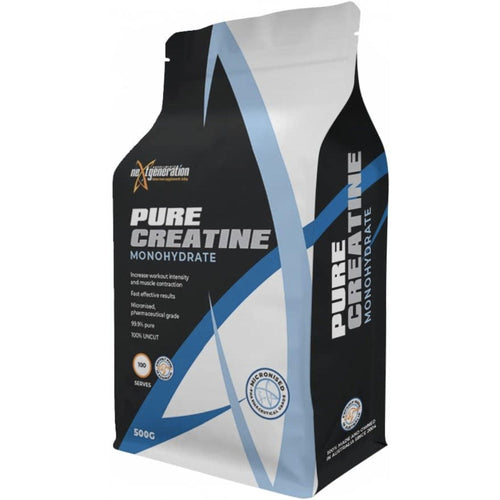
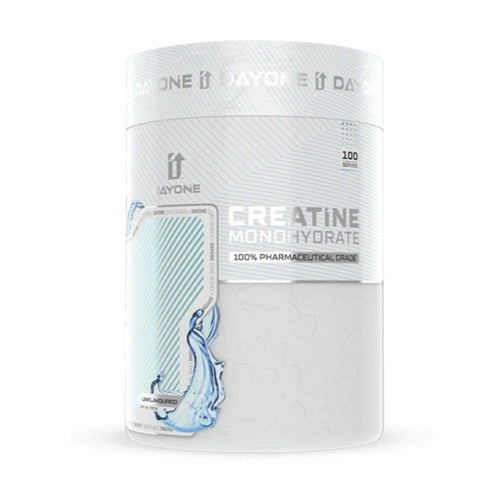
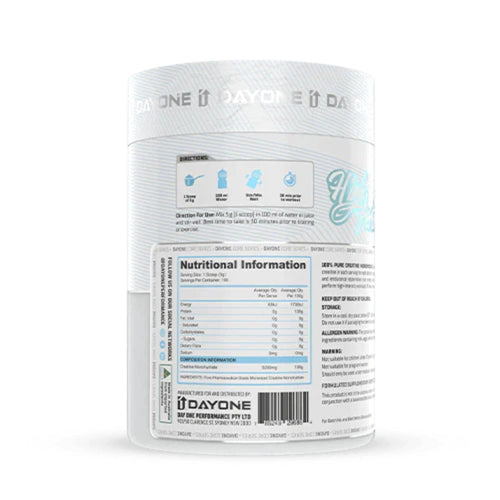

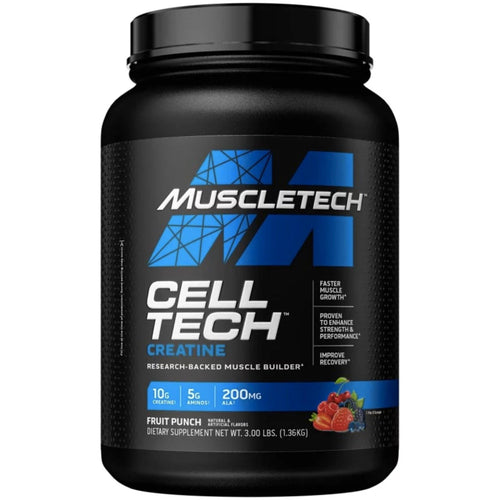
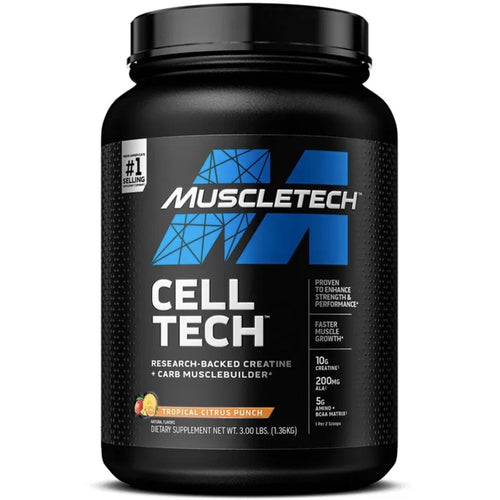
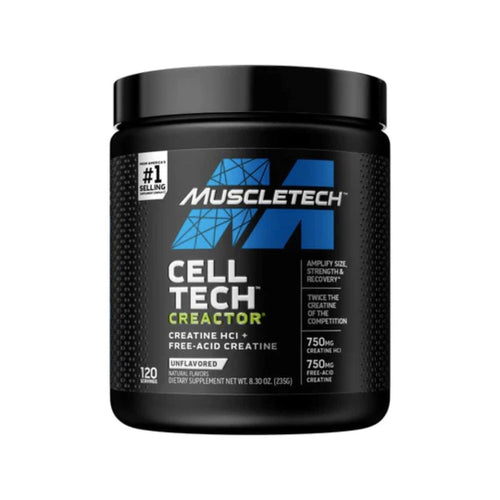
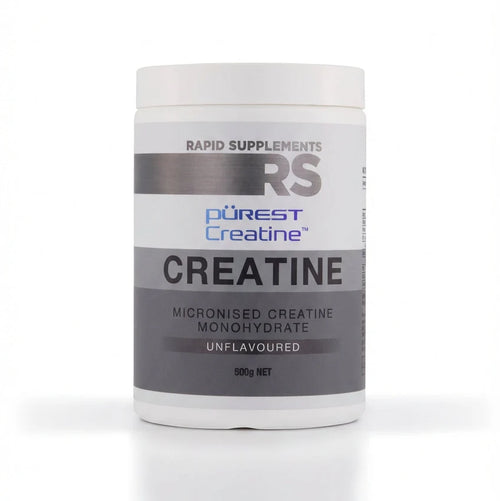
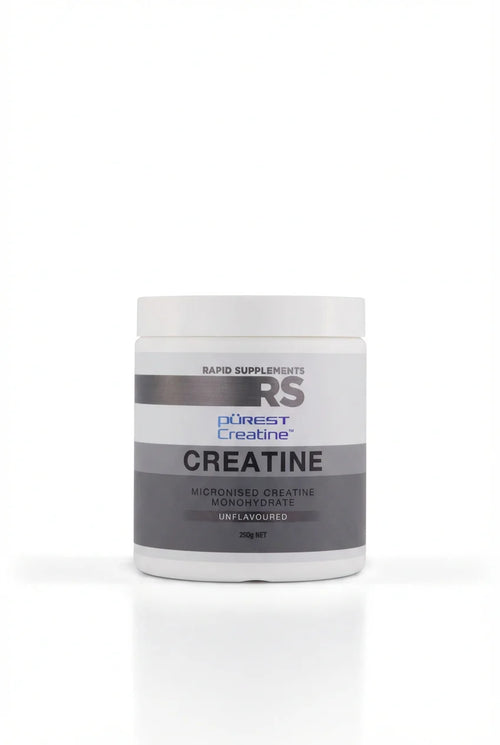

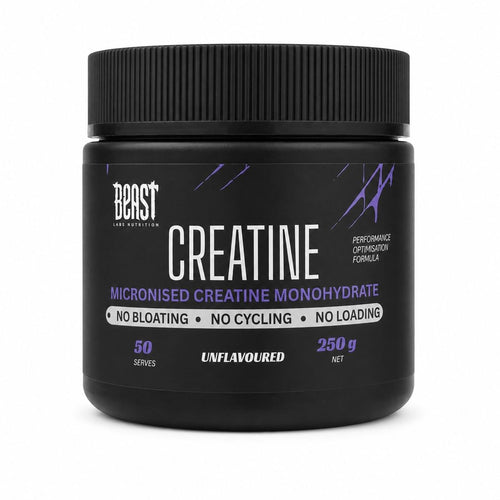
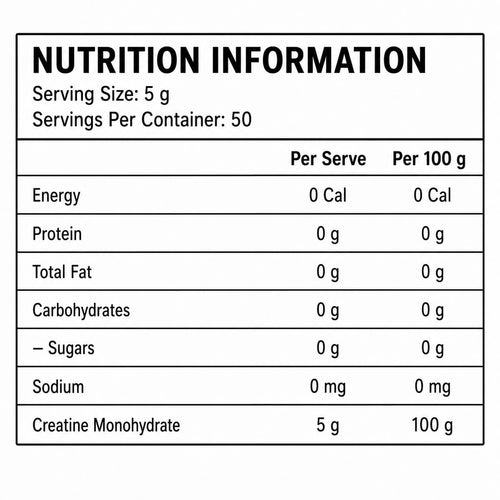
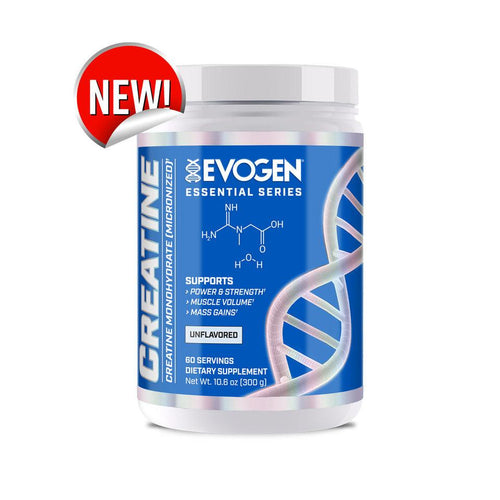
No products found for ""
Creatine: buying guide
What creatine does and who it suits
Creatine helps your muscles regenerate ATP, the molecule that powers muscle contraction, which matters most in short, intense efforts. Your body makes some creatine and gets the rest from food, mainly red meat and seafood. Around 1 to 3 g needs replacing each day, and about half of that usually comes from your diet. Supplementing tops up muscle stores beyond what food alone normally provides.
The evidence is strong. The International Society of Sports Nutrition (ISSN) describes creatine monohydrate as the most effective nutritional supplement currently available to athletes for increasing high-intensity exercise capacity and lean body mass during training. The Australian Institute of Sport (AIS) lists creatine in Group A of its Sports Supplement Framework, the tier for strong evidence in specific sport situations.
That makes creatine a common choice for:
- Gym training, powerlifting and bodybuilding, where you repeat sets of short, heavy work.
- Sports built on repeated bursts, such as sprinting, jumping and tackling.
- Vegetarians and vegans, who have been reported to have lower muscle creatine stores. Check whether capsule shells contain gelatine if you avoid animal products.
Creatine is not a stimulant, so it will not give you a buzz, and it is not a steroid. Its chemical structure is completely different from anabolic steroids.
Monohydrate, micronised, Creapure or HCl?
Most products here are creatine monohydrate. The differences between them are mostly about particle size, sourcing and format, not how the creatine works in your body.
| Form | What it is | Worth knowing |
|---|---|---|
| Creatine monohydrate | Creatine bound to one water molecule, about 88% creatine by weight | The most widely used and studied form, and the one most research doses are based on |
| Micronised monohydrate | Monohydrate milled into finer particles | Stirs into water more easily. It is still monohydrate, so the creatine per gram is the same |
| Creapure | A branded creatine monohydrate made in Germany by Alzchem | Sold as tested and traceable. Genuine products can carry a Creapure quality seal with a code you can check on the Creapure website |
| Creatine HCl | Creatine bound to hydrochloride | Uses its own serve sizes, so follow the label. No form has been shown to work better than monohydrate |
| Capsules and tablets | Monohydrate or HCl in a pill | Handy for travel. Check how many make up a serve and how many grams that delivers |
| Blends | Creatine plus other ingredients | Check the grams of creatine per serve and what else is in it, such as caffeine or carbohydrate |
How to compare creatine on the shelf
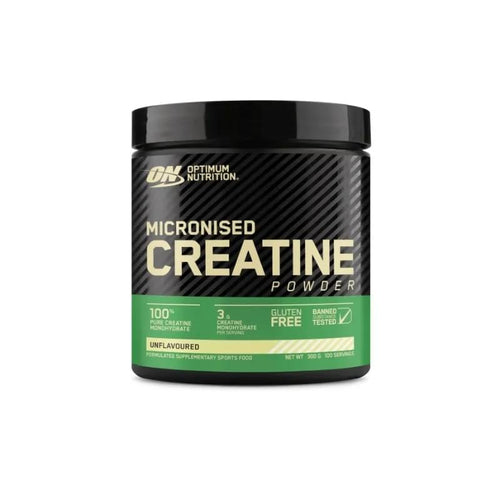
- Grams of creatine per serve. Serve sizes differ between brands. The Australian label for Optimum Nutrition Micronized Creatine, for example, lists a 3 g serve, the low end of the 3 to 5 g daily amount used in research.
- Serves per container. Divide the price by the number of serves to compare value fairly across tub sizes.
- Unflavoured or flavoured. Unflavoured powders are often creatine alone. Flavoured versions add flavours, acids and sweeteners such as sucralose (955).
- Single ingredient or blend. A blend can hide a small creatine dose behind a long ingredient list.
- Quality and testing. If you compete in a drug-tested sport, choose a batch-tested product (for example HASTA or Informed Sport certified) and check with your sport before you use it.
How to take creatine
There are two common ways to start, and both end with full muscle stores:
- Steady: 3 to 5 g a day. Stores fill gradually over about four weeks.
- Loading: about 20 g a day split into four 5 g doses for 5 to 7 days, then 3 to 5 g a day to maintain.
The ISSN notes that larger athletes training hard may need 5 to 10 g a day to maintain stores. Mix powder into water, juice or a shake, and keep taking it on rest days so your stores stay topped up. Always follow the directions on your product's label. Our guide on how to take creatine walks through it step by step.
Safety and who should check first
- For healthy adults, creatine at recommended doses is one of the most studied supplements, with studies running for up to five years.
- Some people report nausea or an upset stomach. If you load, the daily amount is split into four smaller doses.
- If you have kidney disease, the ISSN suggests speaking with your doctor before taking creatine.
- Creatine can raise creatinine, a blood marker used to estimate kidney function. In healthy people this is unlikely to mean your kidneys are working less well, but tell your doctor you take creatine before any blood test.
- If you are pregnant, breastfeeding, under 18 or take regular medication, check with your doctor first.
Popular creatine at Supps247
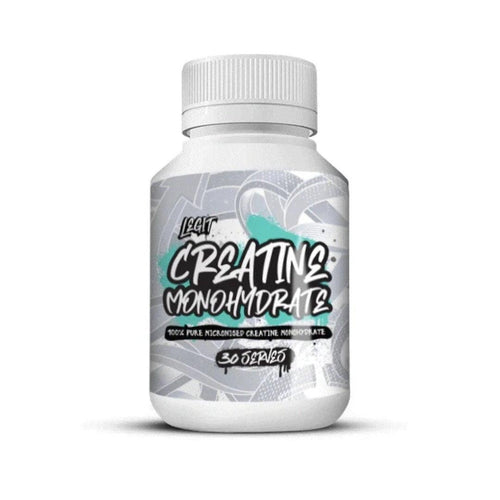
- Legit Supps Creatine Monohydrate: our best-selling creatine over the last six months.
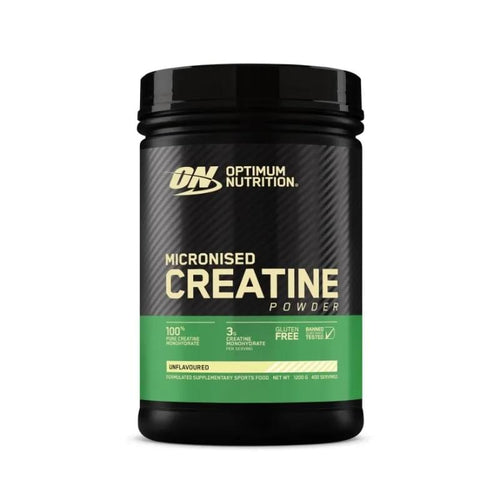
- Optimum Nutrition Micronized Creatine Powder: micronised creatine monohydrate with a 3 g serve on the Australian label.
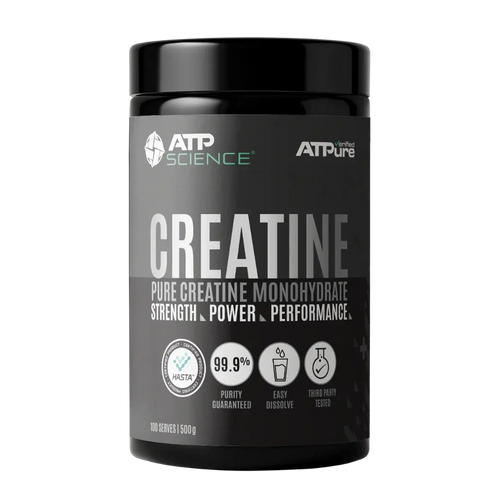
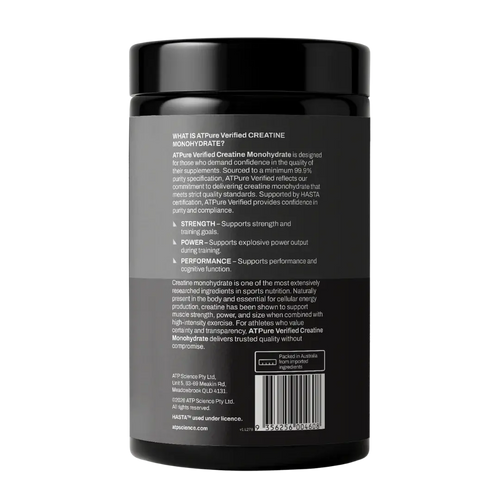
- ATP Science Creapure Creatine Monohydrate: made with Creapure, the German-made creatine monohydrate.
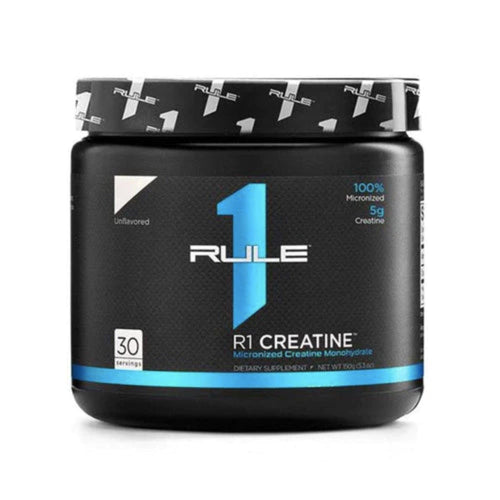
- Rule 1 R1 Creatine 500 g: a larger 100-serve tub.
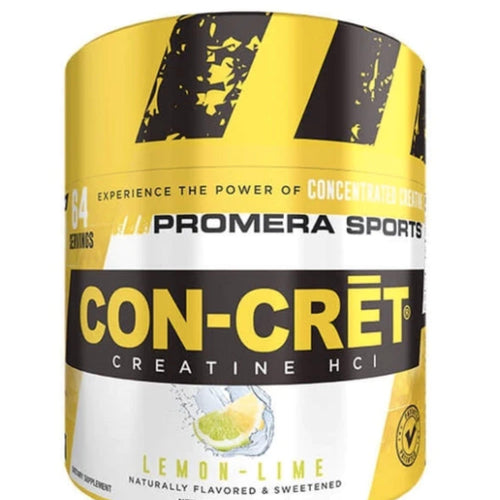
- Promera Sports Con-Cret Creatine HCl: a creatine hydrochloride option.
- MuscleTech Platinum Creatine Tablets: 30 serves in tablet form, if you prefer not to measure powder.
For our ranked shortlist and how we chose it, see the best creatine in Australia.
Related categories
Creatine is often stacked with a pre-workout or beta-alanine, and many people simply stir it into their protein shake. For the wider range, browse performance supplements.
Sources: ISSN position stand: creatine supplementation (2017); NIH Office of Dietary Supplements: Dietary Supplements for Exercise and Athletic Performance; Common questions and misconceptions about creatine (JISSN, 2021).
Order online with Australia-wide delivery, free on orders of $100 or more, or visit a Supps247 store in Melbourne, regional Victoria or Brisbane to compare products in person before you buy. Members can use our price match guarantee on full-priced items.
Always read the label and follow the directions for use. If you have a medical condition, are pregnant or take regular medication, check with your doctor first.
Creatine: questions and answers
Do I need a loading phase for creatine?
Is it safe to take creatine every day?
Will creatine make me gain weight or look bloated?
When is the best time to take creatine?
Can women take creatine?
Is creatine HCl better than creatine monohydrate?
Does creatine cause hair loss?
What happens when I stop taking creatine?


